Have you ever plugged in a device and wondered why some appliances use a heavier three-pin plug while others use a thinner two-pin plug? Even worse, have you had trouble with mismatched outlets at home, risking overheating, sparks, or loose contact? These minor annoyances are surprisingly frequent, particularly when purchasing appliances, setting up a universal power strip for your workstation, or using an extension wire online.
And when people search for 2 pin vs 3 pin plug, what they really want to know is simple: Which one is truly safer, and when should you use which?
The truth is, the distinction isn’t difficult at all, especially when it’s presented in a way that makes sense.
To keep your home and workplace hassle-free and safe, we’ll explain in this blog which plug is best for which gadget.
Understanding the Basics: 2 Pin vs 3 Pin Plug
Before choosing between a 2 pin plug and a 3 pin plug, it helps to know what each one is designed to do.
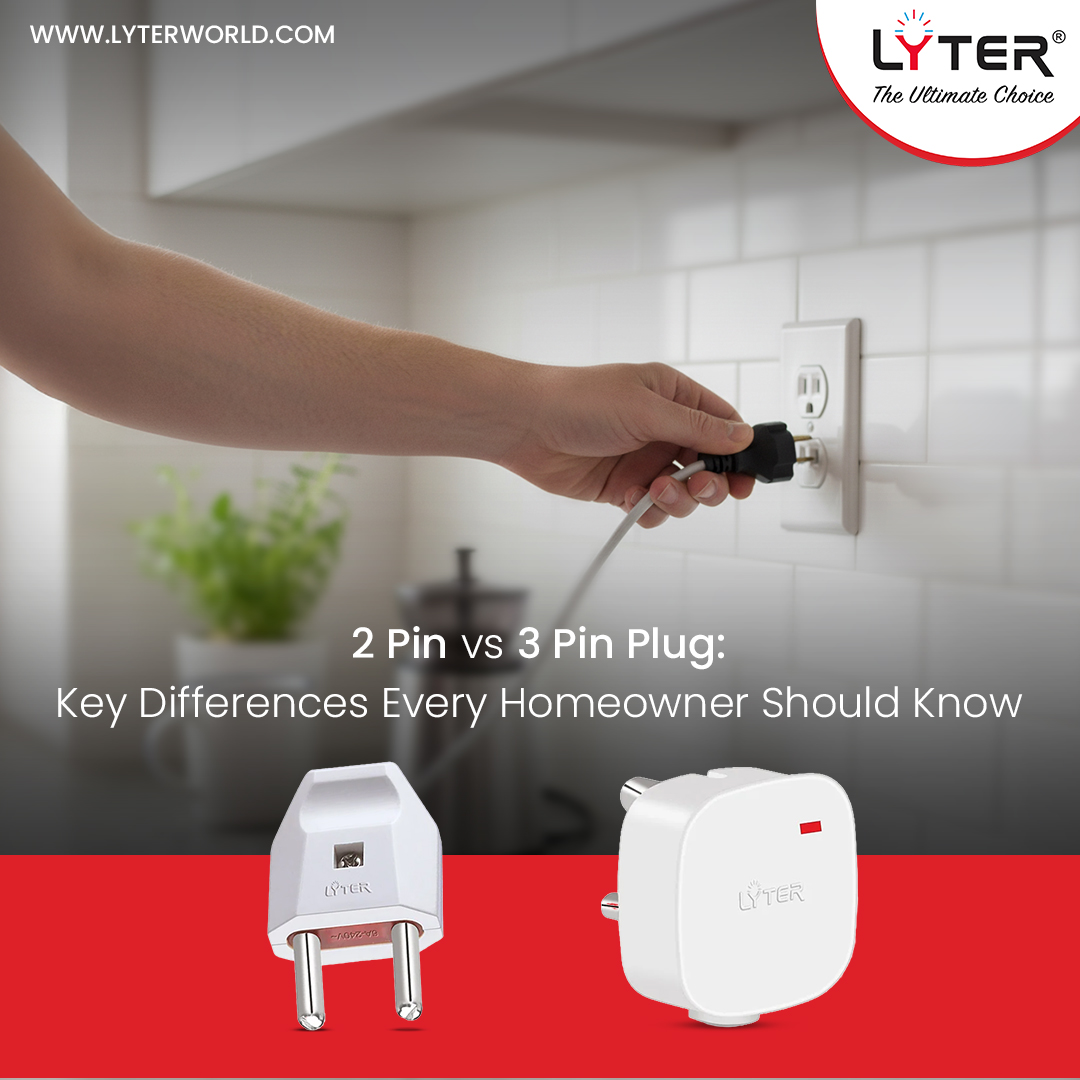
A 2-pin plug carries only two wires, live and neutral. It works best for small, low-power devices that don’t require additional protection.
A 3-pin plug adds a third wire: the earth (ground). This ground pin is what protects you when something goes wrong, like a sudden surge or leaking current.
This core difference drives everything else, including usage, compatibility, and power connection safety.
When Should You Choose a Two-Pin Plug?
Devices with a 2 pin plug are usually double-insulated, meaning they have built-in safety barriers that reduce shock risks. You’ll commonly find them in:
- Phone chargers
- Electric shavers
- Small speakers
- Table lamps
- Smart home gadgets
They are portable, small, and compatible with most outlets via adapters.
However, when using them overseas or with foreign power standards, make sure of electrical socket compatibility.
Tip: A two-pin connection is typically sufficient if the gadget doesn’t heat up, has no metal body, and uses little power.
Why Three-Pin Plugs Offer Higher Safety
When comparing 2 pin vs 3 pin plug, safety is where the three-pin plug takes the lead.
A 3 pin plug includes a dedicated earth pin connected to your home’s grounding system. This is crucial for:
- High-power appliances
- Devices with metal exteriors
- Heating/cooling machines
- Motor-based products
Consider washing machines, induction cooktops, microwaves, refrigerators, and even strong irons.
Grounding is a must in this situation. Even a tiny current leak can make the appliance body “live” in the absence of a suitable earth connection, raising the possibility of shock.
That’s why these plugs are part of every modern plug installation guide and why electricians strongly recommend using grounded plugs for heavy-load devices.
Power Strips, Extensions & the 2 Pin vs 3 Pin Plug Debate
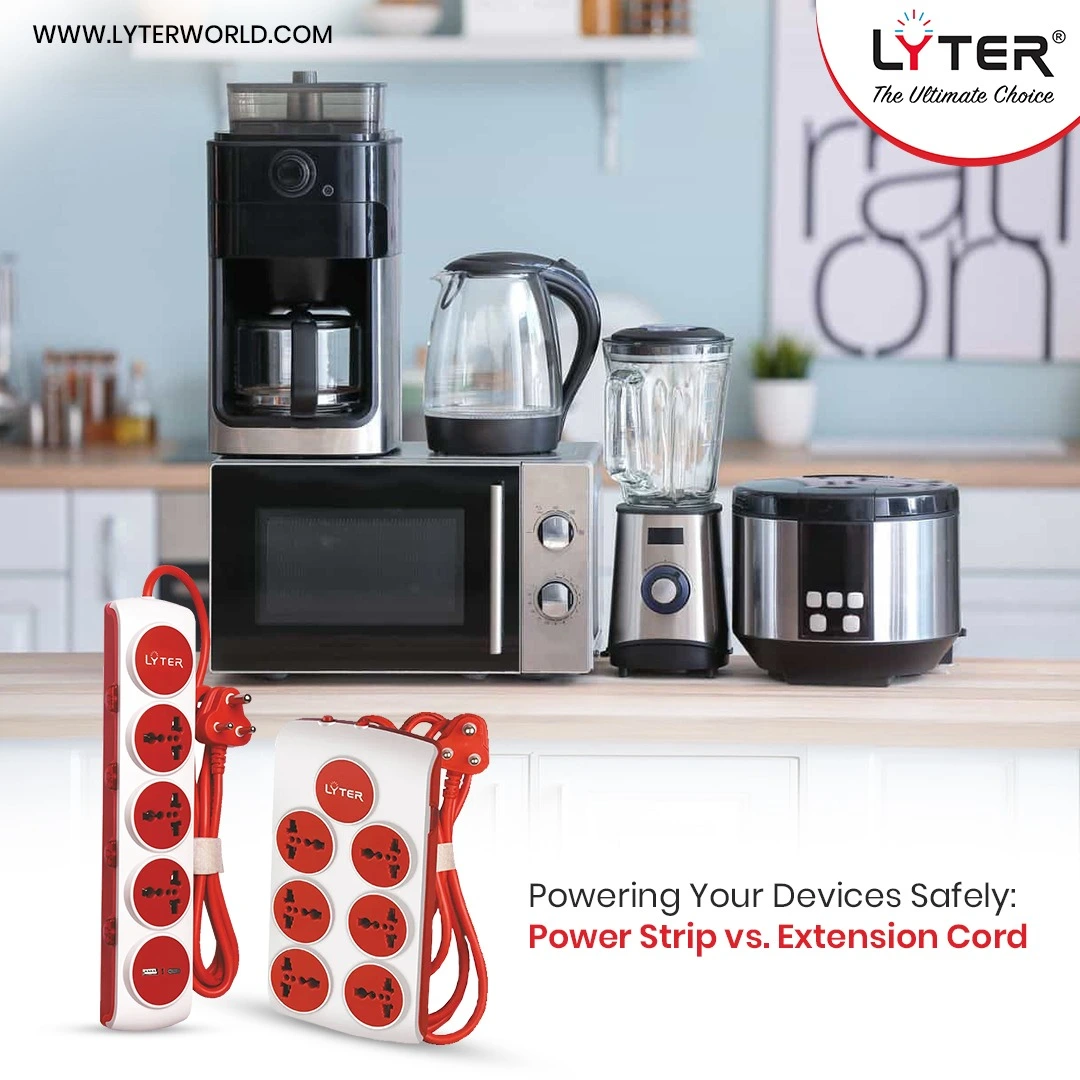
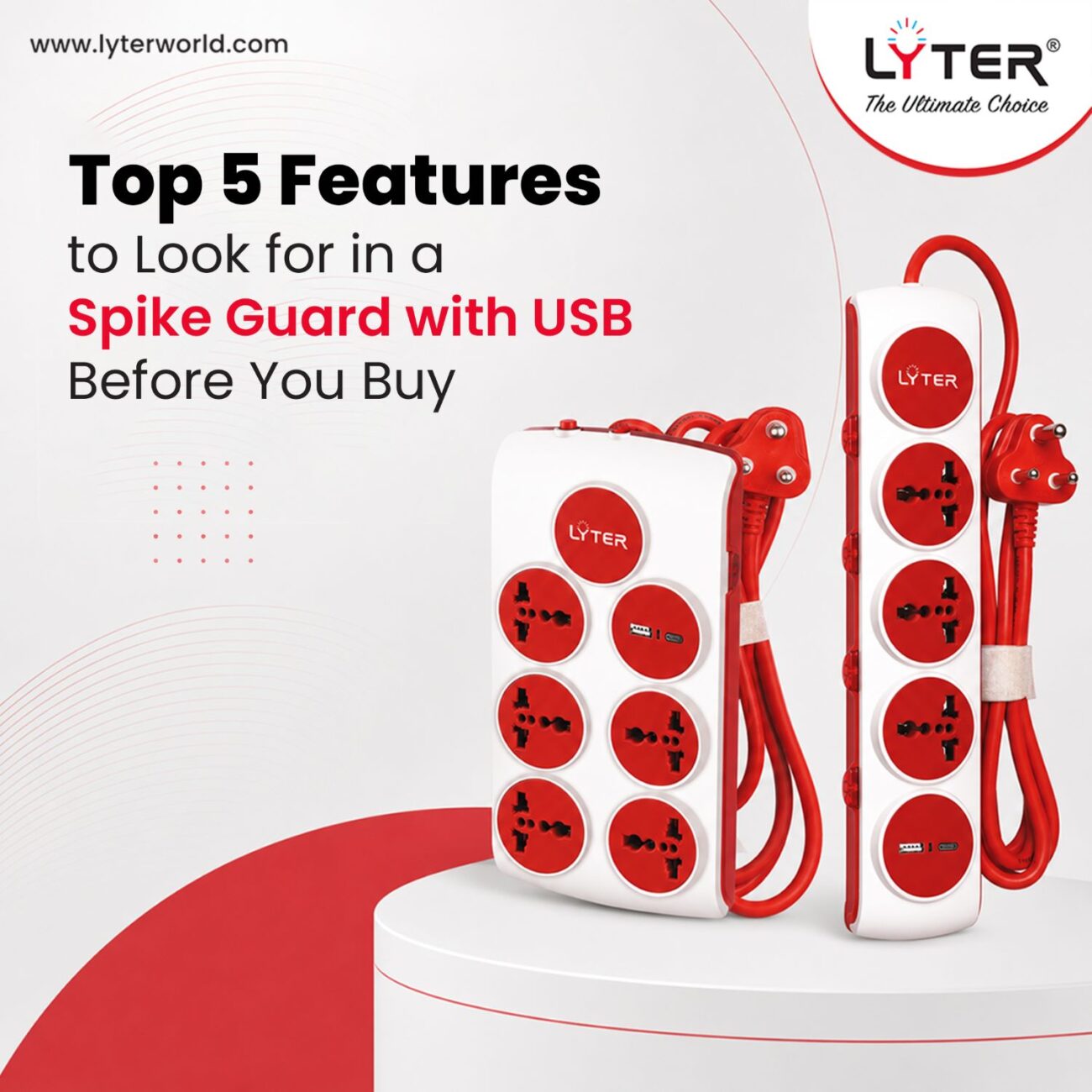
Whether you buy a power strip extension, a simple spike guard, or search for an extension cord online, one mistake people make is plugging everything into the same board without checking compatibility.
A few guidelines to keep in mind:
- A three-pin socket can accommodate a two-pin gadget.
- Never use a three-pin gadget in a two-pin socket (no earth = no safety).
- Because they disrupt the grounding process, multi-plug adapters that convert 3-pin to 2-pin should be completely avoided.
- A universal power strip is ideal when you have devices with mixed plug types, but ensure it supports grounding.
Your safety depends as much on the socket and extension as on the plug itself, and an overlooked but essential detail.
Understanding Plug Wiring Types & Home Safety
The plug wiring types inside a home play a direct role in how safe your devices remain. Even the best plug won’t protect you if the wall socket isn’t grounded.
A quick checklist for home safety:
- Make sure each room has a minimum of one grounded socket (3-pin).
- Steer clear of inexpensive multi-plugs that eventually come loose.
- Never plug too many high-wattage gadgets into one socket.
- Replace any loose or damaged plugs right away.
Simple but sometimes disregarded, a connector is only as safe as what it is connected to.
Elevate Your Space with Lyter’s Smart Protection.
Understanding 2 pin vs 3 pin plug is ultimately about choosing the right level of protection for your appliances and your home.
Three-pin plugs protect you when power and grounding are crucial, whereas two-pin connectors are ideal for lightweight electronics. Additionally, always give priority to authorized items that ensure safe operations when employing extensions or multi-boards.
At Lyter, we design power strip extensions, universal power strips, and travel-friendly adapters with safety engineered into every inch, from strong wiring to stable sockets to fire-resistant builds. Because when it comes to electricity, good design isn’t a luxury; it’s your first line of defence.
If you’re upgrading your home with smarter, safer power accessories, explore Lyter’s range, built for everyday use and trusted for long-term protection.