Buying or selling electrical accessories? One question could save you from a costly mistake: does this product comply with the latest QCO requirements?
Quality Control Orders are changing how certain electrical products are manufactured, supplied and sold in India. For buyers and dealers, understanding these requirements is becoming an important part of making the right procurement decision.
What Exactly Is a QCO?
A Quality Control Order, or QCO, is a government order that makes compliance with specified Indian Standards mandatory for particular products. For products covered by a QCO, the required BIS Standard Mark must be used under the applicable BIS licence or Certificate of Conformity after the order comes into force.
In simple terms, a QCO takes a product category from “meeting a standard is recommended” to “meeting the specified standard is mandatory.”
Which Electrical Accessories Are Covered?
The Electrical Accessories (Quality Control) Order, 2023 covers specific products and Indian Standards rather than every electrical accessory available in the market.
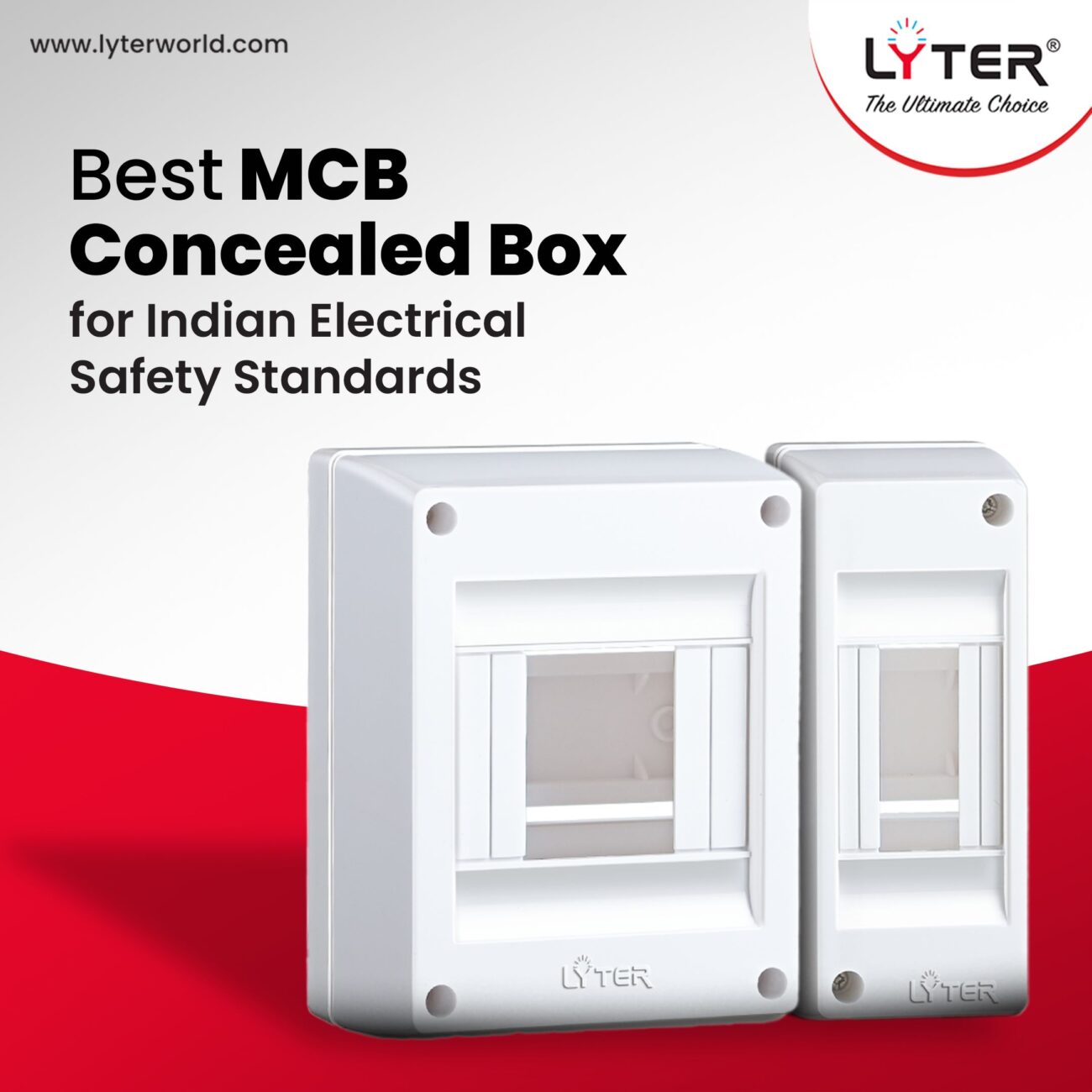
The BIS compulsory-certification list includes categories such as boxes and enclosures for electrical accessories, among other products covered under the order.
This distinction matters. A buyer shouldn’t assume that every switch, holder, socket or other electrical accessory automatically falls under the same QCO. The exact product category and applicable Indian Standard need to be checked.
What Has Changed for Buyers?
For buyers, QCO compliance adds another important checkpoint to the purchasing process.
Instead of looking only at price, appearance or specifications, check whether the product is covered by a mandatory QCO. If it is, look for the required BIS Standard Mark and verify that the manufacturer’s certification applies to the relevant product.
This becomes particularly important for bulk purchases, construction projects and electrical procurement, where selecting the wrong products can create complications later.
What Should Dealers Check?
- Dealers sit between manufacturers and end users, making compliance an important part of stocking decisions.
- Before adding a covered product to your inventory, consider checking:
- Applicable Indian Standard: Does the product fall under a notified standard?
- BIS certification: Does the manufacturer hold the required licence?
- Product marking: Does the product carry the applicable Standard Mark?
- Product details: Do the certification and specifications correspond to the product being supplied?
BIS states that manufacturers of products under compulsory certification need the relevant BIS licence when the product is covered by the applicable requirements.
Don’t Confuse Different QCOs
One reason QCO requirements can seem complicated is that different electrical product categories can be governed by different orders.
For example, the Electrical Equipment (Quality Control) Order, 2020 covers specified low-voltage switchgear and controlgear. Its implementation has also been subject to subsequent amendments and deferments.
Meanwhile, the Electrical Accessories QCO covers its own specified products and standards. The Electrical Accessories (Quality Control) Amendment Order, 2026, for example, removed the entry relating to a particular insulating-tape standard from the 2023 order.
So, rather than asking whether a product is simply “QCO approved,” it is more useful to ask: Which QCO applies, which Indian Standard is specified, and what is the current implementation status?
A Simple QCO Checklist
Before buying or stocking an electrical accessory:
- Identify the exact product category.
Don’t rely only on a general product name.
- Check the applicable Indian Standard.
BIS maintains an updated list of products under compulsory certification.
- Verify the manufacturer’s certification.
Make sure it covers the relevant product.
- Check the product marking.
For products covered by mandatory certification, the applicable Standard Mark is an important compliance indicator.
- Stay updated.
QCOs can be amended, so don’t rely on an old supplier document or outdated information.
Conclusion
For buyers and dealers, QCO compliance is no longer something to leave until the end of procurement. It should be part of the selection process from the beginning.
The key is simple: identify the product, check the applicable standard, verify certification, and stay updated on the latest requirements.
As electrical regulations continue to evolve, choosing products from established manufacturers such as Lyter can help make electrical procurement more informed and structured.
FAQs
- Does every electrical accessory need BIS certification?
No. Mandatory BIS certification depends on whether the specific product is covered by a QCO or another mandatory certification requirement.
- Can a dealer rely only on the supplier’s claim of compliance?
It is better to verify the applicable standard, BIS licence details and product marking rather than relying only on a verbal or general compliance claim.
- Where can buyers check the latest QCO requirements?
The BIS website maintains information on products under compulsory certification, including applicable QCOs and amendments.
- Can QCO requirements change after they are introduced?
Yes. QCOs can be amended, including changes to covered products or implementation provisions. The 2026 amendment to the Electrical Accessories QCO is one example.