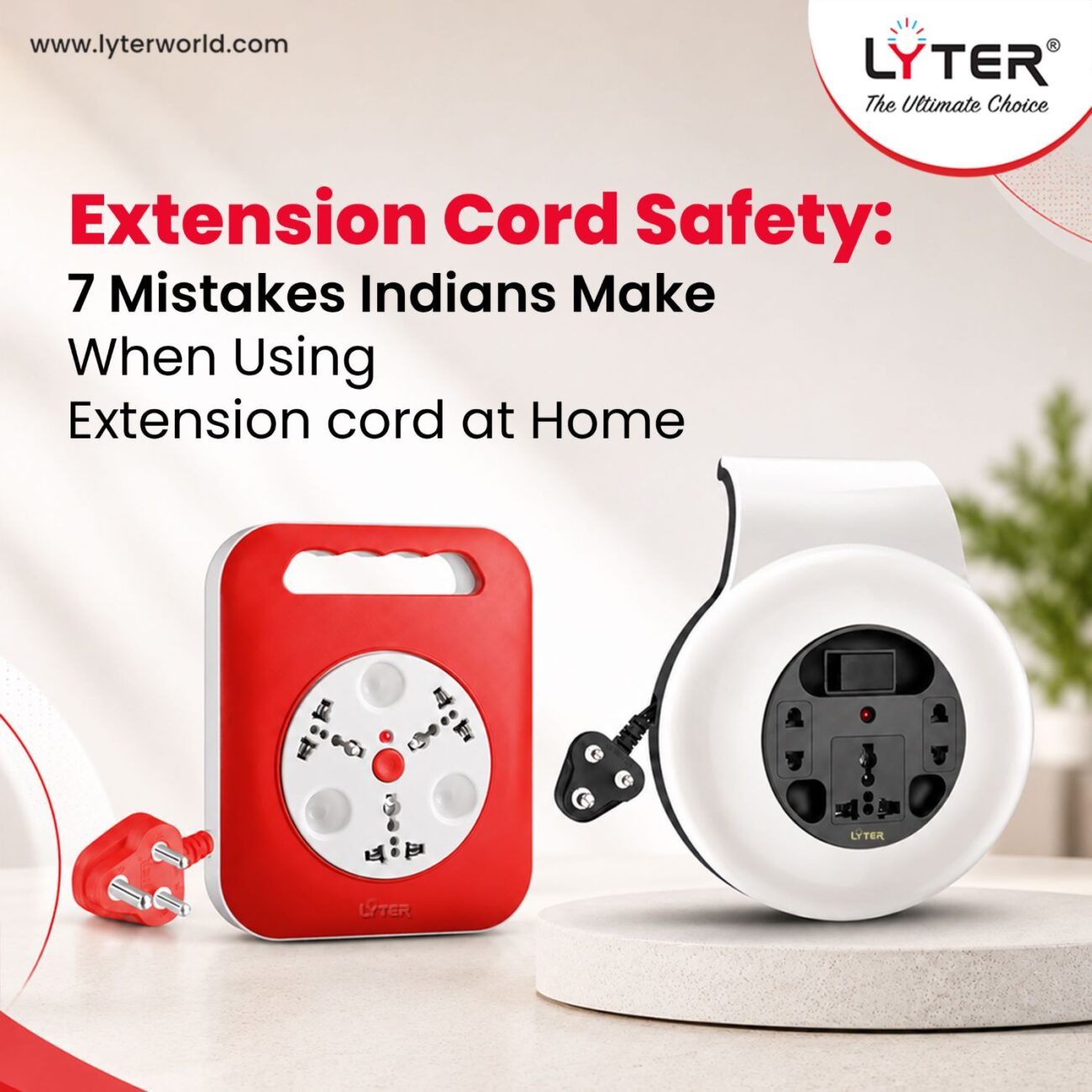
You probably use an extension cord every single day, without giving it a second thought. From charging your phone and powering your TV to running your work setup, it’s become an essential part of modern homes. But what if some of your everyday habits are quietly putting your appliances and your home at risk?
The truth is, most electrical accidents aren’t caused by faulty products but by incorrect usage. If you’re using a power strip extension or a power strip extension cord, avoiding a few common mistakes can make all the difference.
1. Overloading the Extension Cord
It may seem convenient to plug multiple appliances into one extension cord, but every extension has a maximum load capacity. Running high-power appliances like heaters, microwaves, electric kettles, or irons together can overload the circuit, causing overheating and reducing the lifespan of both the extension cord and your devices.
Tip: Always check the rated capacity before connecting multiple appliances.
2. Using It as a Permanent Power Source
Extension cords are designed to offer flexibility, not to replace permanent electrical wiring. If you’re using the same extension cord every day for TVs, refrigerators, or workstations, it may be time to install an additional wall socket instead.
Using a power strip extension only for its intended purpose helps ensure safer and more reliable performance.
3. Ignoring Visible Damage
A damaged extension cord is never worth the risk. Cracked sockets, frayed cables, loose plugs, or burn marks are clear signs that it should be replaced immediately.
Regularly inspecting your power strip extension cord can prevent electrical faults before they become serious.
4. Plugging Heavy-Duty Appliances into the Wrong Extension
Not all extension cords are designed to handle high-wattage appliances. Connecting equipment that exceeds the extension’s capacity can lead to overheating and performance issues.
Before plugging in heavy appliances, always ensure the extension cord is suitable for the electrical load.
5. Hiding Cables Under Carpets or Furniture
Tucking extension cords under rugs or behind heavy furniture might make your room look tidier, but it traps heat and increases the risk of cable damage.
Instead, keep the cord visible and use cable organizers or wall clips for a cleaner and safer setup.
6. Using Extension Cords in Damp Areas
Water and electricity are a dangerous combination. Using indoor extension cords in bathrooms, balconies during rain, or other damp spaces increases the risk of electric shock.
Always use extension cords in dry environments and keep them away from moisture unless specifically designed for outdoor use.
7. Choosing Price Over Quality
An extension cord is an everyday product, but it also plays an important role in electrical safety. Choosing a low-quality option simply because it’s cheaper may mean compromising on durability and protection.
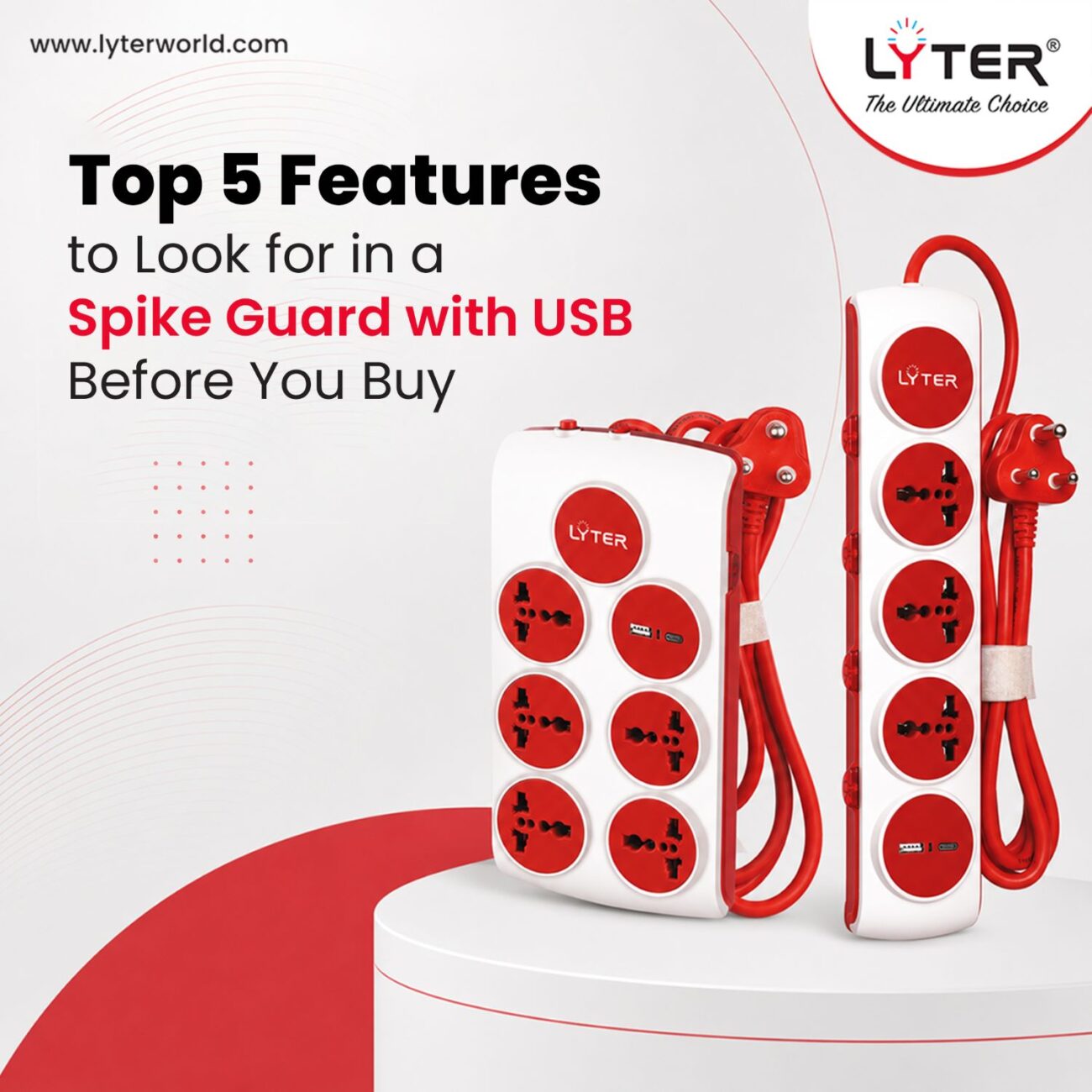
When buying a power strip extension, look for features such as:
- Durable construction
- Secure socket design
- Quality cable insulation
- Power indicator
- Reliable switch mechanism
A quality extension cord offers better performance, longer life, and greater peace of mind.
Safe Usage Starts with Smart Choices
Extension cords are designed to make everyday life more convenient, but safe usage depends on the choices we make. Avoid overloading, inspect your extension cord regularly, use it in the right environment, and always choose one that’s suited to your power requirements.
A few simple precautions today can help protect your appliances, your family, and your home for years to come.
Conclusion
A power strip extension is much more than an extra source of power, it’s an essential part of a safe and efficient electrical setup. By avoiding these seven common mistakes and investing in a reliable power strip extension cord, you can enjoy greater convenience without compromising on safety.
At Lyter, every electrical solution is designed with quality, durability, and everyday reliability in mind, helping you power your spaces with confidence.
FAQs
1. Can I connect one extension cord to another?
It’s generally not recommended. Connecting multiple extension cords together can increase resistance, lead to voltage drops, and create an overheating risk.
2. Is it safe to leave an extension cord plugged in all the time?
If it’s powering low-load devices and remains in good condition, it can stay plugged in. However, it’s best to switch it off when not in use to reduce unnecessary power consumption and improve safety.
3. How do I choose the right extension cord for my home?
Consider the number of sockets, cable length, power rating, build quality, and the type of appliances you’ll be using before making a purchase.
4. How often should I inspect my extension cord?
A quick visual inspection every few weeks is a good practice. Check for loose sockets, damaged insulation, bent pins, or any signs of overheating before use.