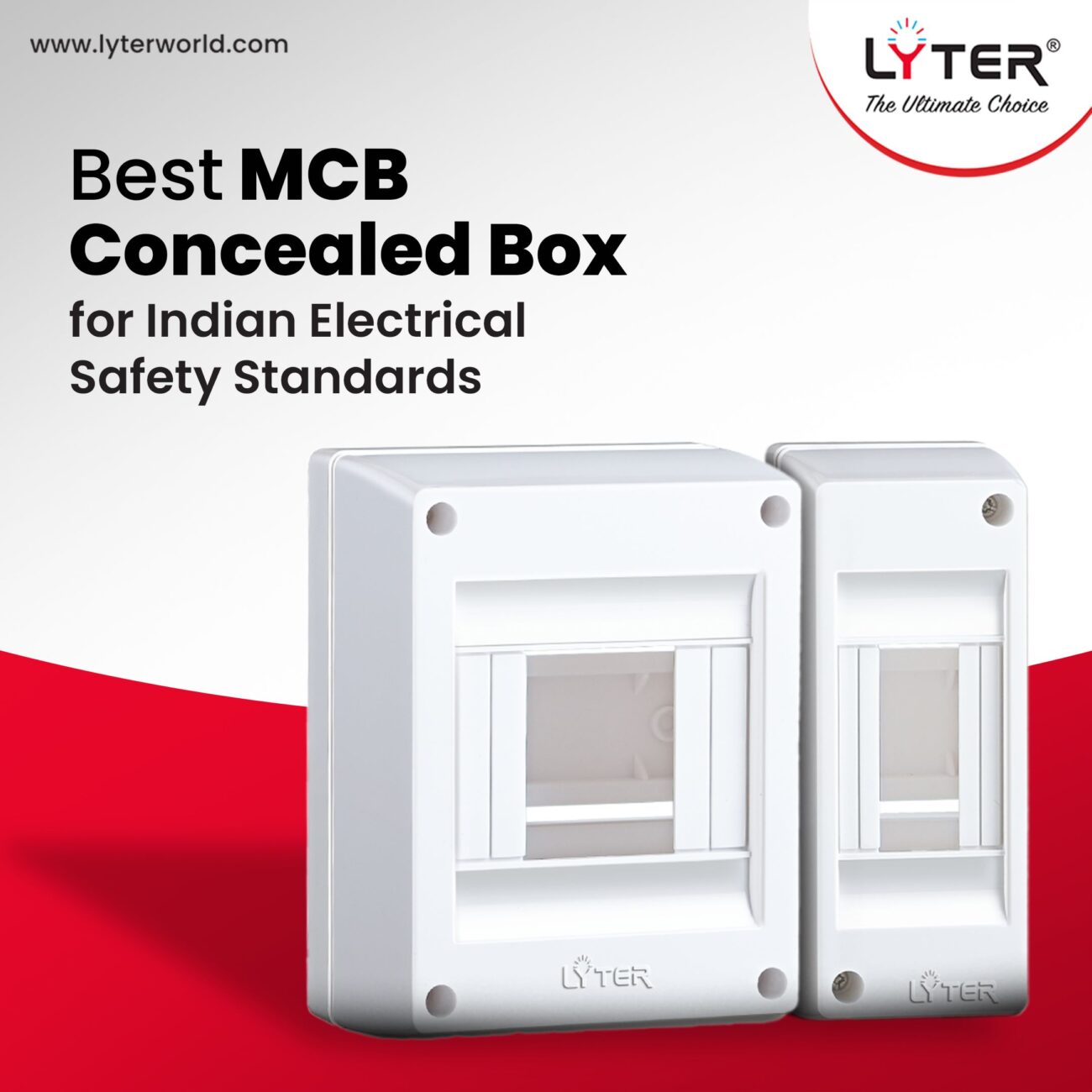
When people think about electrical safety, they usually picture MCBs, switches, or wiring. But there’s one component that quietly supports the entire setup without ever being seen, the MCB Concealed Box.
Hidden behind the wall, it provides the foundation for your distribution board, protecting electrical components while ensuring a neat and secure installation. Although it may not be visible once installed, choosing the right concealed box plays a crucial role in the safety, durability, and efficiency of your electrical system. So, what should you look for when selecting one for your home or commercial space?
Why Does an MCB Concealed Box Matter?
An MCB concealed box isn’t just an enclosure, it’s the structural base that houses your distribution board. A well-designed box ensures proper alignment, secure mounting, and sufficient space for electrical connections.
Poor-quality boxes can lead to installation challenges, reduced durability, and maintenance difficulties over time. That’s why choosing the right concealed box is an important part of building a reliable electrical system.
Choose High-Quality Materials
One of the first things to consider is the material used in the concealed box. High-quality steel construction offers better strength, durability, and long-term performance, making it suitable for residential as well as commercial applications.
A sturdy concealed box also helps maintain the integrity of the installation, especially during wall finishing and everyday usage.
Ensure Compatibility with Your Distribution Board
Not every concealed box fits every installation. Before purchasing, check whether the box is compatible with the size and configuration of your MCB distribution board.
The right fit simplifies installation, allows for proper cable management, and provides adequate space for future maintenance or electrical upgrades.
Look for a Neat and Secure Installation
A concealed electrical setup should remain exactly that, concealed. A well-designed MCB Concealed Box sits flush within the wall, creating a clean finish while securely supporting the distribution board.
Proper installation not only enhances the appearance of your interiors but also makes the overall electrical system more organised and reliable.
Consider Future Accessibility
Although concealed, your distribution board should still be easy to access whenever maintenance or inspection is required. Choosing a thoughtfully designed concealed box ensures electricians can work comfortably without unnecessary modifications to the wall.
This becomes especially valuable if additional circuits or electrical upgrades are planned in the future.
Conclusion
The right MCB Concealed Box is more than just a hidden component, it forms the foundation of a safe, organised, and durable electrical installation. From material quality and compatibility to ease of installation and future accessibility, every detail contributes to long-term performance.
When selecting electrical components for your home or commercial project, don’t overlook what stays behind the wall. Investing in a high-quality concealed box today can help create a stronger and more reliable electrical system for years to come.
FAQs
1. Can an MCB concealed box be used during home renovations?
Yes. Concealed boxes are commonly installed during renovations, provided there is sufficient wall depth and the electrical layout is planned accordingly.
2. Does the wall type affect the choice of a concealed box?
Yes. Factors such as wall thickness and construction material can influence the installation method and the size of the concealed box required.
3. Should the concealed box be installed before or after plastering?
In most cases, the concealed box is installed before plastering so it aligns correctly with the finished wall surface and ensures a clean installation.
4. How can I ensure the concealed box is installed correctly?
Always have it installed by a qualified electrician who follows recommended installation practices and ensures proper alignment, secure fixing, and compatibility with the distribution board.